ADVERTISING IN THE AGE OF AI AESTHETICS
Jan 28, 2025
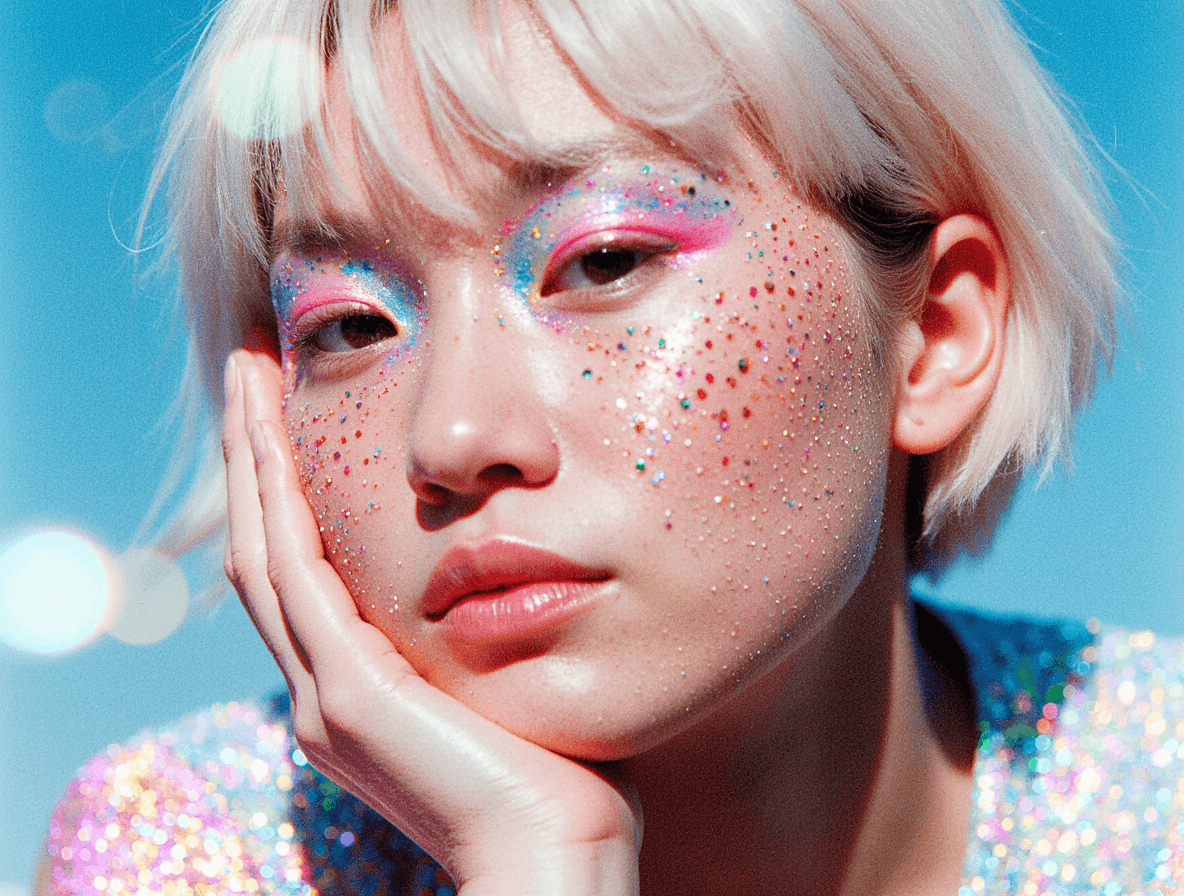
Scroll your feed and you’ll notice something uncanny: ads don’t look like ads anymore. They look like surreal dreamscapes, nostalgia-washed palettes, glitchy textures, or hyperreal composites pulled from a future that doesn’t exist yet. This is the rise of AI aesthetics — a new visual language shaping advertising at the speed of algorithms.

THE ALGORITHMIC AESTHETIC
Every generation of media has had a look. The 1980s had neon and VHS static, the 2000s had glossy futurism and vector gradients. Today, the look is unmistakably algorithmic: uncanny skin textures, impossible lighting, warped proportions. Even when AI tries to be “realistic,” it leaves fingerprints. The machine’s hand is always visible, and in a strange way, that’s what makes it desirable.
Advertising has embraced this aesthetic not just for novelty, but because it signals currency. To use an AI-generated visual is to say: we’re here, now, surfing the same wave of acceleration as you are. Coca-Cola’s “Create Real Magic” campaign invited people to generate surreal Coke-branded worlds with AI, and Gucci has leaned into AI-driven visuals on Instagram that blur fashion editorial with sci-fi hallucination. These aren’t just ads — they’re flexes of cultural positioning.
THE RISK OF HOMOGENIZATION
But there’s a risk: sameness. As more brands adopt AI visuals, campaigns begin to blur together. Surrealist mash-ups, liquid chrome textures, post-human models, they lose impact when every ad looks like it came from the same dataset. What started as avant-garde quickly collapses into cliché.
We’ve seen this before. Think of the “flat design” boom in tech branding, or the overuse of Millennial pink. When everyone rushes to adopt the same aesthetic shorthand, it becomes generic noise. The danger with AI aesthetics is that the collapse happens faster, because the tools spread faster.

THE POLITICS OF THE MACHINE IMAGE
There’s also a deeper question: who decides what AI aesthetics dominate? The answer isn’t consumers, it’s the datasets. Whatever images, styles, and references are most represented in training sets become the building blocks of future advertising. That creates a feedback loop where already dominant cultural aesthetics are amplified, while marginalized ones risk being erased. AI doesn’t just generate visuals; it encodes bias into the visual field.
RESOLUTION: FROM COPYING TO COMMENTING
This doesn’t mean AI aesthetics should be abandoned. In fact, their best use isn’t replication, it’s commentary. Nike’s experimental campaigns with AI-generated streetwear mockups, for example, didn’t just showcase product; they framed AI as part of the conversation about future fashion. The most interesting brands aren’t just using AI as a design shortcut; they’re using it to hold a mirror to culture.
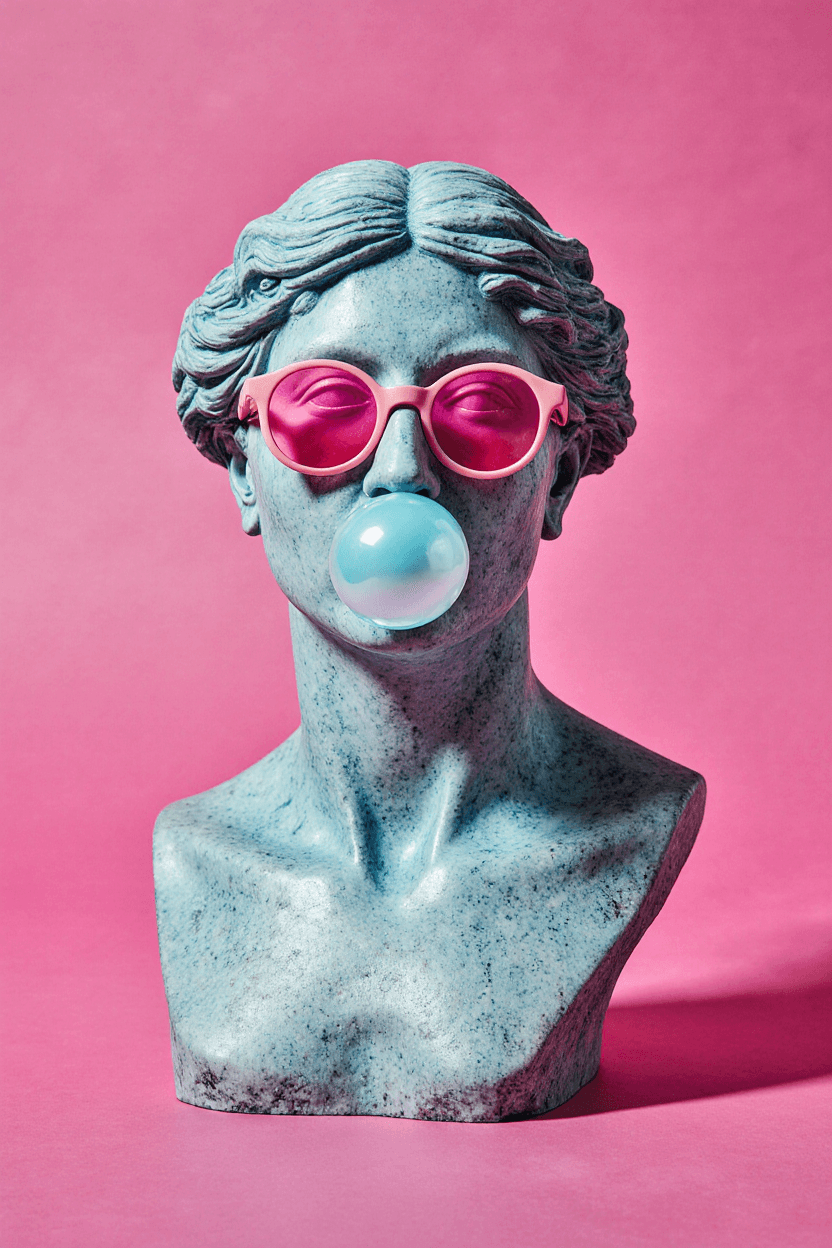
Imagine an ad campaign that leans into AI’s uncanny fingerprints: warped hands, dreamlike textures, as a metaphor for the fractured reality of digital life. Or one that revives past aesthetics (say, ’90s rave flyers or early web grunge) and refracts them through an AI lens to comment on how culture loops back on itself.
This is the space where forecasting and curation matter. Not every AI-generated visual deserves amplification. The challenge, and the opportunity, is in deciding which aesthetics have resonance, which ones are already collapsing into sameness, and which ones can be recontextualized into something meaningful.
HOT TAKE
AI is already embedded in the advertising ecosystem. The choice isn’t whether to use it, but how. Brands can either churn out endless, interchangeable surrealist backdrops, or they can treat AI as a cultural filter, a way to comment on the moment rather than just mimic it.
The hard truth is this: advertising doesn’t need more machine-made noise. It needs sharper voices willing to use AI not as a shortcut, but as a lens one that reveals the fractures, loops, and possibilities of culture, and turns them into stories worth paying attention to.